Claim Your Free Estimate Today
Expert Electrical Installation Services for Your Home and Business
Safe Electrical Installation Service for Modern Properties
Building safety starts with the grid
Planning Your Wiring System for Long-Term Reliability
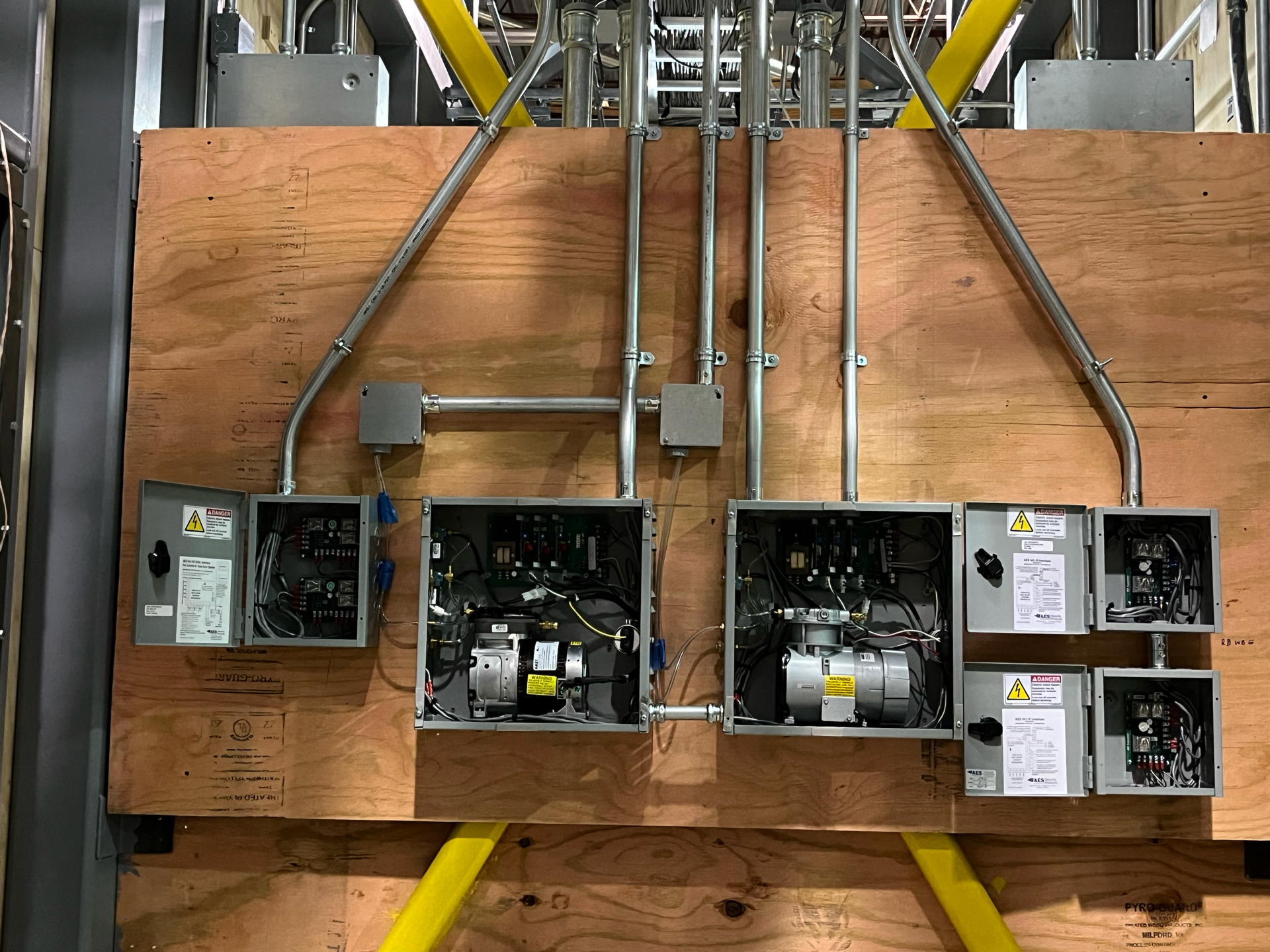
A thoughtfully designed wiring system forms the foundation of every safe, functional building. Before a single wire is pulled or outlet installed, careful planning ensures that your property can handle today’s electrical demands while accommodating future needs. This planning phase separates temporary fixes from lasting solutions, and it requires an understanding of load calculations, circuit distribution, and code requirements that most property owners do not possess.
Proper planning begins with a thorough assessment of how you will use each space. A kitchen requires dedicated circuits for major appliances, while home offices need sufficient outlets to support computers, printers, and charging stations without overloading circuits. An electrician evaluates these requirements and calculates the total amperage needed, ensuring the main service panel can distribute power safely throughout the structure. In Virginia, summer air conditioning loads place significant stress on electrical systems, making accurate load calculations particularly important for properties in this region.
The placement of outlets, switches, and lighting fixtures also demands careful consideration. Building codes establish minimum requirements, but a quality electrical installation service goes beyond those minimums to create truly functional spaces. Strategically positioned outlets eliminate the need for extension cords, reducing fire risks and improving usability. Proper switch placement ensures intuitive control of lighting from multiple entry points. These details may seem minor during construction, but they profoundly affect daily comfort and convenience for years to come. Professional planning also accounts for special requirements such as GFCI protection in wet areas, AFCI protection in living spaces, and adequate grounding throughout the system, all of which contribute to the safety and longevity of your wiring infrastructure.
Why Professional Installation Matters for Safety and Compliance
Electrical work carries inherent risks that make professional installation essential rather than optional. Incorrectly installed wiring can cause fires, electrocution, equipment damage, and code violations that jeopardize insurance coverage and property values. While online tutorials make electrical work appear straightforward, they cannot account for the countless variables that an experienced electrician encounters in real-world installations. Wire sizing, connection methods, grounding techniques, and protection devices must all align with National Electrical Code standards and local amendments to ensure safety.
Licensed electricians bring years of training and hands-on experience to every project. They understand how different wire types perform under various conditions, how to properly size circuits for specific loads, and how to identify potential problems before they become hazards. This knowledge proves particularly valuable when working with older buildings that may contain outdated wiring methods, asbestos-containing materials, or unusual configurations. A qualified professional can navigate these challenges safely while bringing the system up to current standards.
Code compliance represents another critical reason to use professional electrical installation service. Building codes exist to prevent the construction defects and shortcuts that have historically caused fires and injuries. Permits and inspections verify that work meets these standards, protecting both current occupants and future buyers. Unpermitted work can create serious liability issues, complicate property sales, and result in costly remediation when discovered. Professional electricians handle the permitting process, perform installations according to code requirements, and coordinate inspections to ensure complete compliance. This documentation provides valuable proof of quality workmanship and protects your investment in the property for decades to come.
Common Installation Mistakes That Create Hidden Dangers
Even small errors during installation can create significant safety hazards that remain hidden for years until they cause failures or fires. One of the most common mistakes involves using undersized wire for the circuit load. When wire cannot safely carry the current demanded by connected devices, it overheats, degrading insulation and increasing fire risk. This problem often occurs when homeowners add outlets to existing circuits without considering the total load or when contractors cut corners to reduce material costs. The danger remains invisible until insulation fails or connections overheat, by which point serious damage may have already occurred.
Improper connections represent another frequent problem that undermines system safety. Loose connections create resistance, generating heat that can ignite surrounding materials. Wire nuts must be properly sized and tightened, terminal screws must be torqued to manufacturer specifications, and wires must be stripped to the correct length without nicking conductors. These details require precision and experience that amateur installers typically lack. In the humid Virginia climate, poor connections can also promote corrosion that gradually increases resistance over time, creating hazards that develop slowly and unpredictably.
Inadequate protection devices also compromise safety in many installations. GFCI outlets prevent electrocution in bathrooms, kitchens, and outdoor areas by detecting ground faults and cutting power within milliseconds. AFCI breakers protect against arc faults that can ignite fires in walls and ceilings. Missing or improperly installed protection devices leave occupants vulnerable to preventable injuries. Similarly, incorrect grounding creates shock hazards and prevents overcurrent devices from operating properly during faults. Professional electrical installation service addresses all these details systematically, following established procedures that ensure every component functions as intended. This attention to detail separates reliable installations from dangerous approximations that merely appear to work until something goes wrong.
Upgrading Older Systems to Meet Modern Power Demands
Many properties contain electrical systems designed for a different era, when households used far less power than they do today. A home built decades ago may have a 60-amp or 100-amp service panel that cannot support modern loads from air conditioning, electric vehicle chargers, home offices, and numerous electronic devices. As families add more equipment, these outdated systems become increasingly stressed, leading to frequently tripped breakers, dimming lights, and potential fire hazards from overloaded circuits. Upgrading becomes necessary not just for convenience but for safety and functionality.
A service upgrade typically begins with replacing the main electrical panel to increase capacity, often to 200 amps or more depending on the building’s needs. This upgrade provides room for additional circuits, allowing proper distribution of loads and eliminating the dangerous practice of daisy-chaining outlets or using multiple extension cords. The electrician also evaluates the condition of existing branch circuits, replacing any that show signs of deterioration or use outdated materials such as aluminum wiring or cloth-insulated conductors. In some cases, the utility company must also upgrade the service drop and meter base to accommodate the increased capacity, requiring coordination between multiple parties.
Beyond capacity improvements, modern upgrades incorporate safety features that did not exist when older systems were installed. Whole-house surge protection guards sensitive electronics against voltage spikes. AFCI and GFCI protection extends throughout appropriate areas of the building. Proper grounding and bonding ensure that fault currents have a safe path to trip breakers quickly. These enhancements provide layers of protection that significantly reduce risks compared to older installations. Professional electrical installation service ensures that upgrades integrate seamlessly with existing structures while meeting all current code requirements, creating systems that will serve reliably for many years while supporting the technologies that define modern living.
Selecting the Right Installation Partner for Your Project
Choosing the right electrician for your installation project requires careful consideration of several important factors. Licensing and insurance form the foundation of any selection decision. A valid electrical license demonstrates that the contractor has met state requirements for training and testing, while adequate insurance protects you from liability if accidents occur during the work. Always verify these credentials directly rather than simply accepting claims, as unlicensed contractors sometimes misrepresent their qualifications to win jobs. Local building departments can confirm license status, and insurance certificates should name you as an additional insured party for the duration of the project.
Experience with similar projects also matters significantly when evaluating electricians. A contractor who regularly handles new construction may lack expertise in troubleshooting older systems, while one who focuses on service calls may not have the project management skills needed for large installations. Ask about recent projects similar to yours and request references you can contact. Detailed written estimates provide another important evaluation tool. A quality estimate specifies materials by manufacturer and model, describes the scope of work clearly, includes permit and inspection costs, and establishes a realistic timeline. Vague estimates with suspiciously low prices often indicate corners that will be cut later or surprise charges that will emerge as work progresses.
Communication style and professionalism during initial interactions often predict how the entire project will unfold. An electrician who listens carefully to your needs, asks clarifying questions, and explains options in understandable terms will likely maintain that same approach throughout the job. Conversely, contractors who pressure you to make immediate decisions, dismiss your concerns, or provide incomplete information may bring those same problematic behaviors to the installation itself. Trust your instincts about whether a contractor demonstrates the integrity and competence your project deserves. Quality electrical installation service represents a significant investment in your property’s safety, functionality, and value, making it worth the effort to find a qualified professional who will deliver work you can depend on for years to come.